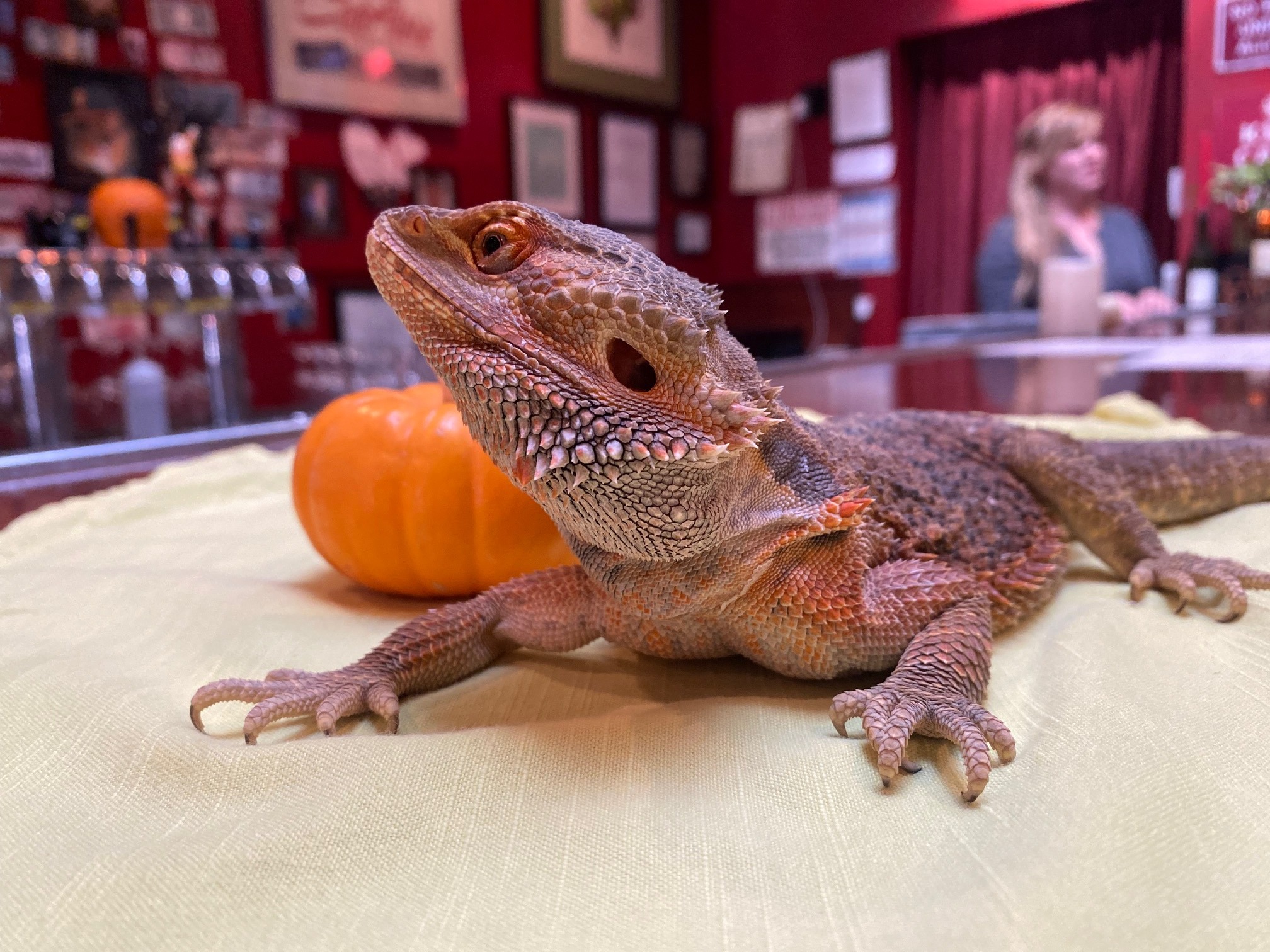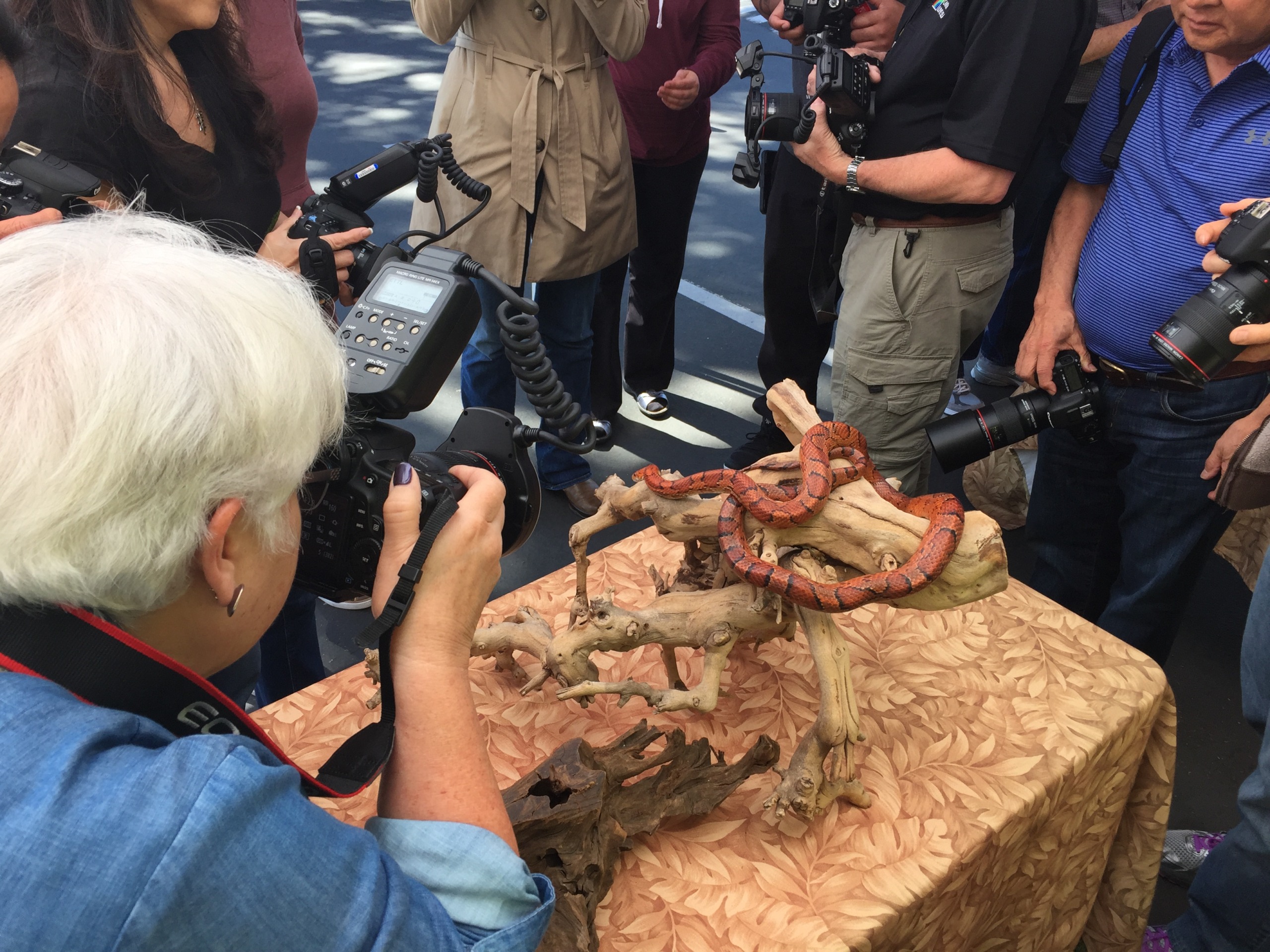


Next Level Animal Photography
Looking for rare and fascinating insects, amphibians, or reptiles to enhance your next photo shoot?
Jungle James Animal Adventures provides a unique array of beautiful and animals for photo shoots and ad campaigns. Our animals can be booked by the hour or day and include a professionally trained animal handler to join them on set.
Check out our awesome animals!
Book us for your next:
-
- Still print
- Modeling shoots
- Runway
- Individual sessions
- Holiday cards
- Music or promotional videos
- Photo booth
How Free Bets Became a Staple of Australian Sports Betting Culture
Australian sports betting has undergone a remarkable transformation over the past two decades, evolving from a largely pub-based, cash-driven activity into a sophisticated digital industry that generates billions of dollars annually. Central to this transformation has been the proliferation of promotional incentives — and none has proven more culturally embedded than the free bet. What began as a relatively simple acquisition tool used by a handful of online operators in the early 2000s has become a defining feature of how Australians engage with wagering platforms, how operators compete for market share, and how regulators have had to adapt their frameworks to address the social consequences of pervasive promotional gambling. Understanding how free bets became so deeply woven into Australian sports betting culture requires looking at the economic incentives that drove their adoption, the regulatory environment that shaped their evolution, and the behavioural patterns they have reinforced among bettors across the country.
The Origins of Free Bet Promotions in the Australian Market
The story of free bets in Australia is inseparable from the story of online betting itself. Prior to the late 1990s, wagering in Australia was dominated by the state-controlled totalisator agencies — the TABs — and on-course bookmakers operating under strict licensing regimes. Promotional offers were minimal, largely because competition was limited and the regulatory framework gave little room for aggressive marketing. That began to change with the passage of the Interactive Gambling Act 2001, which, while primarily aimed at restricting online casino and poker offerings, created a carve-out for sports betting and racing. This carve-out allowed licensed Australian operators to offer online wagering services, and it also opened the door to Northern Territory-based licensing, which became the preferred regulatory jurisdiction for operators seeking a lighter regulatory touch.
The Northern Territory’s licensing regime, administered through the Racing Commission, attracted a wave of new entrants throughout the mid-2000s. Operators including Sportsbet, Betstar, and later the Australian arms of international companies like William Hill and Ladbrokes recognised that customer acquisition in a competitive digital environment required differentiation. Free bets — offers where a customer would receive a bonus stake funded by the operator, typically contingent on placing an initial qualifying wager — emerged as the most direct and legible form of competitive differentiation. If a new customer deposited $50 and placed a qualifying bet, they might receive an additional $50 in bet credits. The mechanics were borrowed largely from the UK market, where operators like Betfair and William Hill had already demonstrated that promotional betting credits could significantly accelerate customer acquisition.
By 2008 and 2009, free bet offers had become a standard feature of the Australian online betting landscape. The competitive pressure intensified sharply in 2011 when Tabcorp and Tatts Group — the two dominant totalisator operators — began aggressively expanding their digital presences, and again in 2015 when CrownBet (later rebranded as BetEasy and eventually absorbed into Sportsbet following a 2020 merger) entered the market with significant financial backing. Each new entrant used free bet promotions as a primary lever for customer acquisition, and incumbent operators responded in kind. The result was a promotional arms race that fundamentally altered the expectations of Australian bettors — many of whom came to view a sign-up free bet offer not as a bonus but as a baseline entitlement.
How Regulatory Frameworks Shaped — and Struggled to Contain — Free Bet Culture
The regulatory response to free bet proliferation in Australia has been fragmented, reflecting the country’s complex division of gambling oversight between federal and state authorities. The Interactive Gambling Act 2001 established federal jurisdiction over online gambling services, but the regulation of advertising, promotional offers, and responsible gambling obligations has historically fallen to state and territory bodies. This jurisdictional patchwork created inconsistencies that operators were adept at navigating.
One of the most significant regulatory interventions came in 2018, when the federal government amended the Interactive Gambling Act to introduce a prohibition on lines of credit — effectively banning operators from allowing customers to bet on credit. While this was not directly aimed at free bets, it signalled a tightening regulatory environment. More directly relevant was the increased scrutiny applied to inducement advertising. The Australian Communications and Media Authority (ACMA) and various state gambling regulators began examining whether free bet advertising, particularly when broadcast during live sports events, constituted an inducement that could encourage problem gambling behaviour.
The Broadcasting Services Act had long restricted gambling advertising during live sport, but enforcement was inconsistent, and the proliferation of digital channels created new loopholes. The 2013 review led by the Hon. Barry O’Farrell, commissioned following public concern about the volume of in-play betting advertising during the 2013 AFL and NRL seasons, recommended tighter restrictions on gambling promotions during sports broadcasts. These recommendations were only partially implemented, but they did result in a shift toward more disclosure requirements for free bet offers — operators were increasingly required to publish terms and conditions in accessible formats, including turnover requirements and expiry periods for bet credits.
Resources dedicated to comparing and contextualising these offers also proliferated during this period. Platforms aggregating free bet offers and explaining their mechanics became increasingly common reference points for Australian bettors, with sites like https://free-bets-online.com/ serving as examples of how the secondary information ecosystem developed alongside the primary betting market, helping consumers navigate the increasingly complex landscape of promotional terms and wagering requirements that operators attached to their free bet offers.
The 2017 National Consumer Protection Framework for Online Wagering, agreed upon by federal, state, and territory ministers, represented the most coordinated regulatory effort to address promotional betting practices up to that point. Among its provisions were requirements for operators to offer a pre-commitment system, a national self-exclusion register, and — critically for the free bet discussion — restrictions on unsolicited bonus offers to customers who had not opted in to receive them. This last measure directly targeted the practice of operators sending free bet credits to dormant accounts or to customers who had previously indicated they wished to reduce their gambling activity. The Framework took several years to fully implement, with the National Self-Exclusion Register (BetStop) not becoming operational until August 2023, but its existence marked a turning point in how free bets were regulated as a marketing instrument rather than simply as a product feature.
The Behavioural Economics of Free Bets and Their Cultural Normalisation
To understand why free bets became so culturally embedded in Australia specifically, it is useful to consider both the structural features of Australian sports culture and the behavioural mechanisms that free bet offers exploit. Australia has among the highest per-capita gambling losses in the world — figures from the Australian Institute of Health and Welfare’s 2023 report on gambling in Australia indicated that Australians lost approximately $25 billion to gambling in the 2021-22 financial year, with sports betting accounting for a growing share of that figure. This is not coincidental: Australia’s intense sporting culture, centred on AFL, NRL, cricket, and horse racing, provides a constant calendar of betting opportunities that operators can attach promotional offers to.
Free bets function as what behavioural economists call a “foot in the door” technique — once a customer has engaged with a platform to claim a free bet, the psychological and practical barriers to continued wagering are substantially reduced. The customer has already completed the registration process, provided payment details, and made the cognitive shift from passive sports viewer to active bettor. Research published in the International Gambling Studies journal has documented that promotional offers significantly increase the likelihood of continued engagement beyond the initial promotional period, a phenomenon operators refer to internally as “conversion” — converting a promotional customer into a regular depositing customer.
The specific design of Australian free bet offers has evolved to maximise this conversion effect. Early free bet offers in the mid-2000s were relatively straightforward: a matched free bet on the customer’s first wager, with winnings paid as cash. Over time, operators introduced more sophisticated structures. Bet credits — which could be used to place bets but whose stake could not be withdrawn as cash — became the dominant format, replacing cash-equivalent free bets. This shift was significant because bet credits have a lower effective value than cash equivalents (since the stake is not returned with winnings), but they are perceived as more valuable by many customers due to the nominal dollar figure attached to them. A “$200 in bet credits” offer sounds more generous than a “$50 cash free bet,” even if the expected value of the former, accounting for the non-returnable stake and turnover requirements, may be lower.
The normalisation of free bets has also been reinforced by Australia’s media environment. The integration of odds and betting promotions into sports broadcasting — a practice that became increasingly common from around 2010 onward — meant that free bet offers were presented alongside sports content in a way that positioned them as a natural part of sports engagement rather than a commercial inducement. Commentators referencing odds during live broadcasts, sponsored segments featuring betting promotions, and the ubiquity of bookmaker logos on team jerseys all contributed to an environment in which betting — and by extension, the free bet offers that served as entry points to it — was framed as a normal component of sports fandom.
Social dynamics have also played a role. The Australian tradition of workplace and social tipping competitions, long a feature of AFL and NRL seasons, created a cultural infrastructure of sports prediction that translated naturally into wagering. Free bets lowered the financial barrier to entry for people who might not have considered themselves “gamblers” in the traditional sense but who were comfortable making sports predictions in a social context. Operators were acutely aware of this dynamic and designed their promotional offers accordingly — many free bet campaigns were timed to coincide with the start of major sporting seasons, when casual engagement with sports prediction was at its highest.
Industry Consolidation, Digital Innovation, and the Future of Free Bet Offers
The Australian online betting market has undergone significant consolidation since the mid-2010s, and this consolidation has had complex effects on the free bet landscape. The merger of BetEasy into Sportsbet in 2020, giving Flutter Entertainment — Sportsbet’s parent company — a dominant market position, reduced the number of independent operators competing aggressively for customers. Similarly, Entain’s acquisition of Neds in 2021 and its existing ownership of Ladbrokes Australia reduced competitive pressure in that segment of the market. Tabcorp, following its demerger from The Lottery Corporation in 2022, refocused its wagering operations and invested heavily in digital product development.
In a more consolidated market, the function of free bets has shifted somewhat. With fewer operators competing for first-time customers, the volume of sign-up free bet offers has moderated compared to the peak years of 2013 to 2018. However, retention-focused promotions — free bets offered to existing customers in connection with specific events, as loyalty rewards, or as re-engagement incentives for dormant accounts — have become more sophisticated. Operators now use data analytics to personalise promotional offers, targeting specific customers with free bets on sports or events they have previously shown interest in, at price points calibrated to their historical wagering behaviour. This personalisation makes the offers more effective from a conversion standpoint but also raises more acute responsible gambling concerns, since it means promotional offers can be directed with precision at customers who have demonstrated vulnerability to problem gambling patterns.
The technological infrastructure supporting free bet offers has also evolved substantially. The integration of betting apps with streaming services, the development of in-play betting products (subject to ongoing regulatory restrictions in Australia), and the use of push notifications to deliver time-sensitive free bet offers have all increased the immediacy and accessibility of promotional wagering. A customer watching a live match on a streaming platform can receive a push notification offering a free bet on the next scoring event within seconds of the previous one settling — a level of integration between content consumption and wagering that was technically impossible in the early days of online betting.
Looking at the regulatory trajectory, the Australian government’s 2023 review of gambling advertising, led by the Joint Select Committee on Social Media and Australian Society, and the separate review of the Interactive Gambling Act, both signalled continued political appetite for tighter restrictions on gambling promotions. Proposals under consideration included restrictions on the timing of gambling advertising, requirements for operators to obtain explicit consent before sending promotional offers including free bets, and potentially a prohibition on sign-up bonus offers directed at new customers — a measure that would fundamentally alter the economics of customer acquisition in the online betting market. Whether such measures are ultimately enacted will depend on the balance of lobbying power between the major operators, the racing industry (which depends heavily on wagering revenue), and public health advocates who have documented the harms associated with problem gambling.
The trajectory of free bets in Australia reflects broader tensions within the country’s gambling culture — between the economic interests of a significant industry, the entertainment preferences of millions of bettors who engage with promotional offers without developing problematic patterns, and the documented harms experienced by a minority of users for whom free bets serve as an entry point to or intensifier of problem gambling behaviour. Free bets did not create Australian sports betting culture, but they have become so thoroughly integrated into it that any serious regulatory effort to address gambling harm must grapple with their mechanics, their marketing, and the behavioural patterns they reinforce. The story of how a relatively simple promotional tool became a defining feature of a national sporting culture is ultimately a story about the intersection of technology, regulation, economics, and deeply held cultural attitudes toward sport, risk, and competition — and it is far from over.